

By Pinaki Kathiari
Chief Executive Officer
Spilling the Tea at the Boston Harbor
Boston Harbor has hosted one famous tea-spilling before. We did it again.
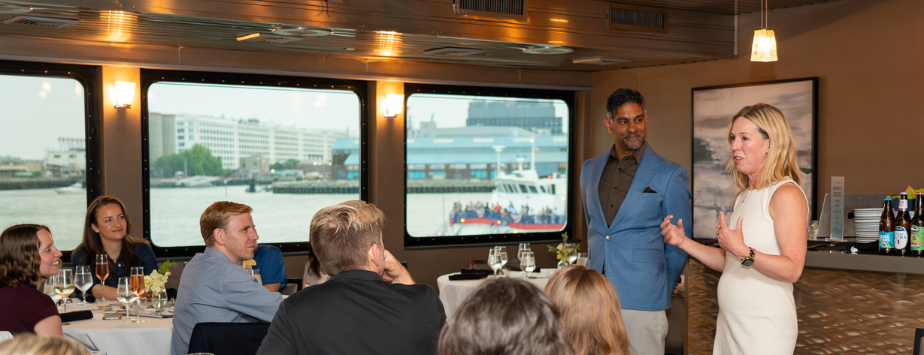
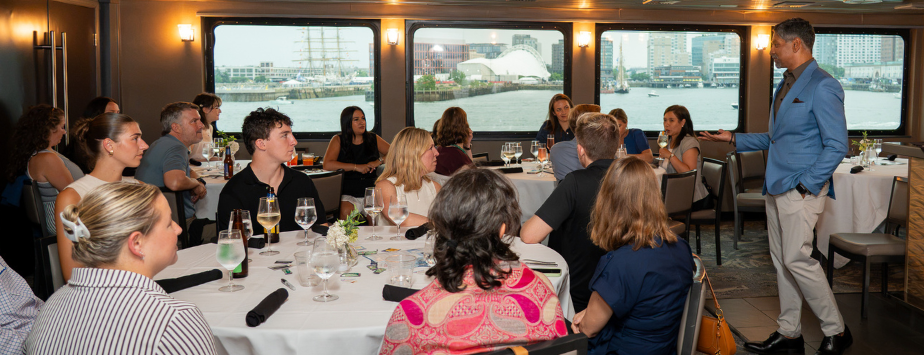
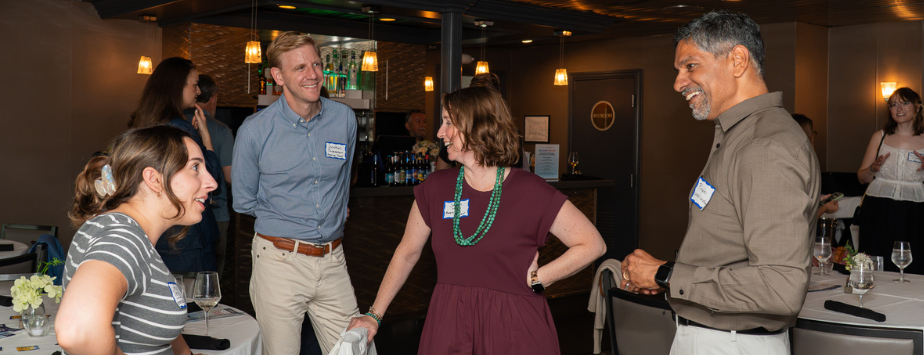
We teamed up with Staffbase and co-hosted an invitation-only night aboard a boat in Boston Harbor. On deck, we had communications leaders, a private dining room, and a format built around “spill the tea” (we like that better than small talk). The idea was simple: put a hot take on the table, see who agrees, and let the disagreements do the real work.
Turns out the room agreed on more than we expected.
What landed as consensus
Being a good writer doesn’t make you a good internal communicator. Almost nobody pushed back on that one.
Nor did anyone push back on the idea that “doing more with less” makes internal comms teams feel like they’re a nice-to-have instead of a must-have. Saying it out loud in a room full of people living it landed less like a hot take and more like a confession.
And when the conversation turned to managers, the room arrived at the same place from a dozen different directions: most managers aren’t equipped to communicate well, and that’s a systems problem, not a personality one.
Cultures don’t have to merge overnight
Underneath the hot takes, a couple of bigger threads surfaced.
One was about mergers. Specifically, the kind of mergers that bring cultures together. When two organizations with strong, distinct identities come together, the instinct is to mash them into one culture as fast as possible. The more interesting idea in the room went the other way: sometimes the right move is to let two cultures exist side by side, deliberately, before trying to fold them into something new. Force it too early, and neither side feels like itself.
That’s as true for two airlines becoming one operation as it is for a non-profit getting corporate and on-the-ground people closer, or an agency with teams that sit fully virtual and teams that sit inside a client’s building (that last one is us by the way). We have different working cultures within the same company, and there’s no reason to pretend they’re identical on day one. Or force a square peg into a round hole.
Becoming system thinkers gives us the edge
The other thread was AI, and specifically, the things it can’t touch. We talked about what skills will be valuable 10 years from now.
Most AI conversations in comms right now are about speed: faster drafts, faster digests, faster search. What came up on the boat was different. It was an acknowledgment that no matter how good the tools get, it still can’t read a room the way a person can. It doesn’t know what happened in the hallway ten minutes ago. It can’t feel when a message is likely to land wrong before it goes out.
In the room, we referred to it as “system thinking” and being “system thinkers.” And it’s our ability to understand complex problems by seeing systems as a whole and their relationships with each other rather than isolated pieces. It’s focusing on interconnectedness, feedback loops, and patterns over time.
Therefore, the skill that’s going to matter in a decade isn’t a better prompt. It’s empathy, context, and the ability to see around the corner. AI can change the room, but it can’t be in it the way a human can.
Spill the tea, literally
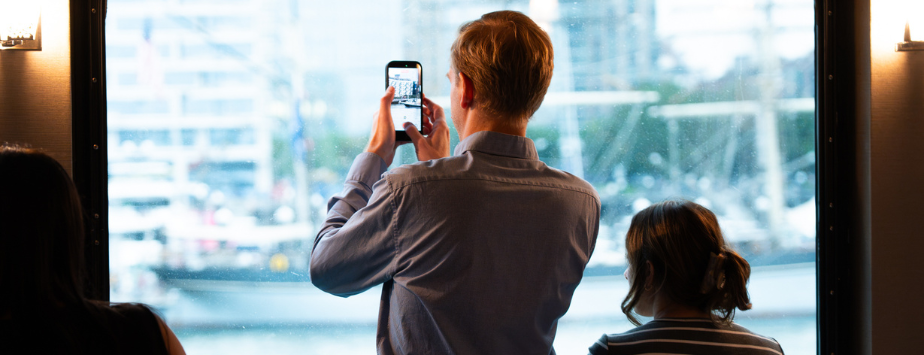
There’s a reason the theme fit the location. Held in Boston Harbor shortly after the country’s 250th anniversary celebration, “spill the tea” was a nod to the actual harbor it was sailing on and the monumental change it sparked.
If your team is in the middle of closing the gap between leadership and the front line, figuring out what AI should and shouldn’t touch, or getting managers equipped to communicate, that’s the kind of work we do at Local Wisdom. We’d love to hear from you.
Check out more photos from the Boston EXchange below.
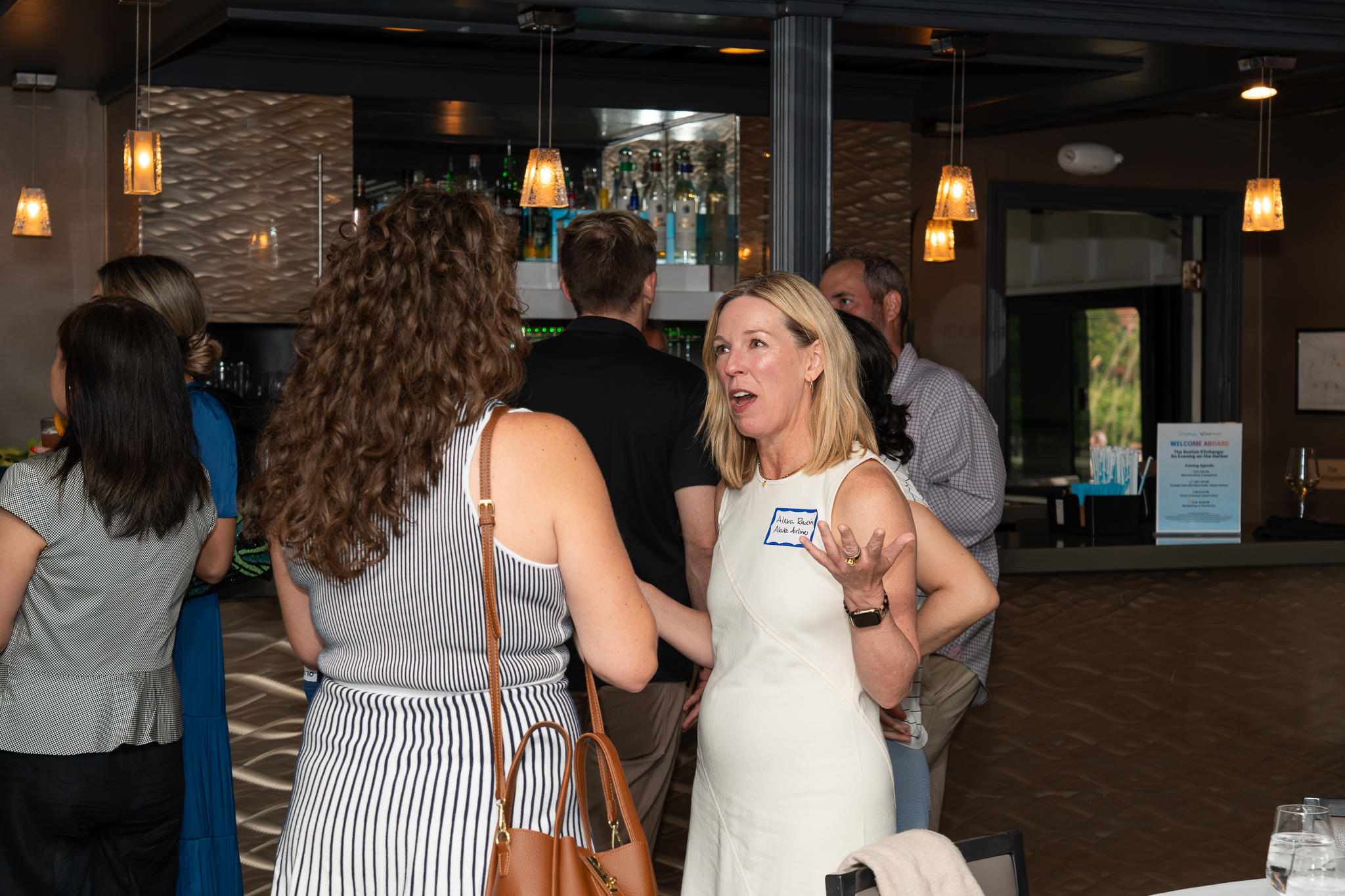
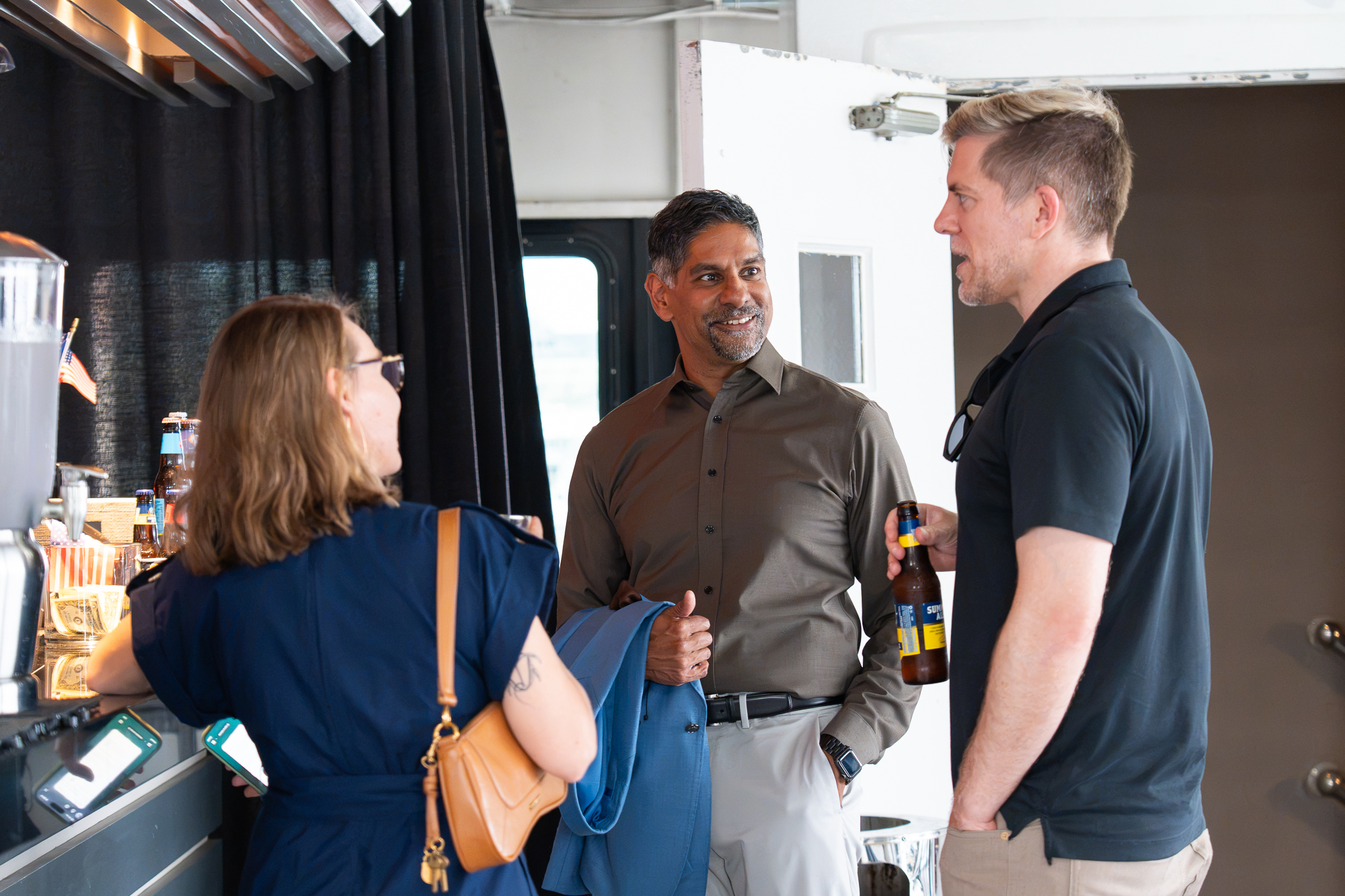


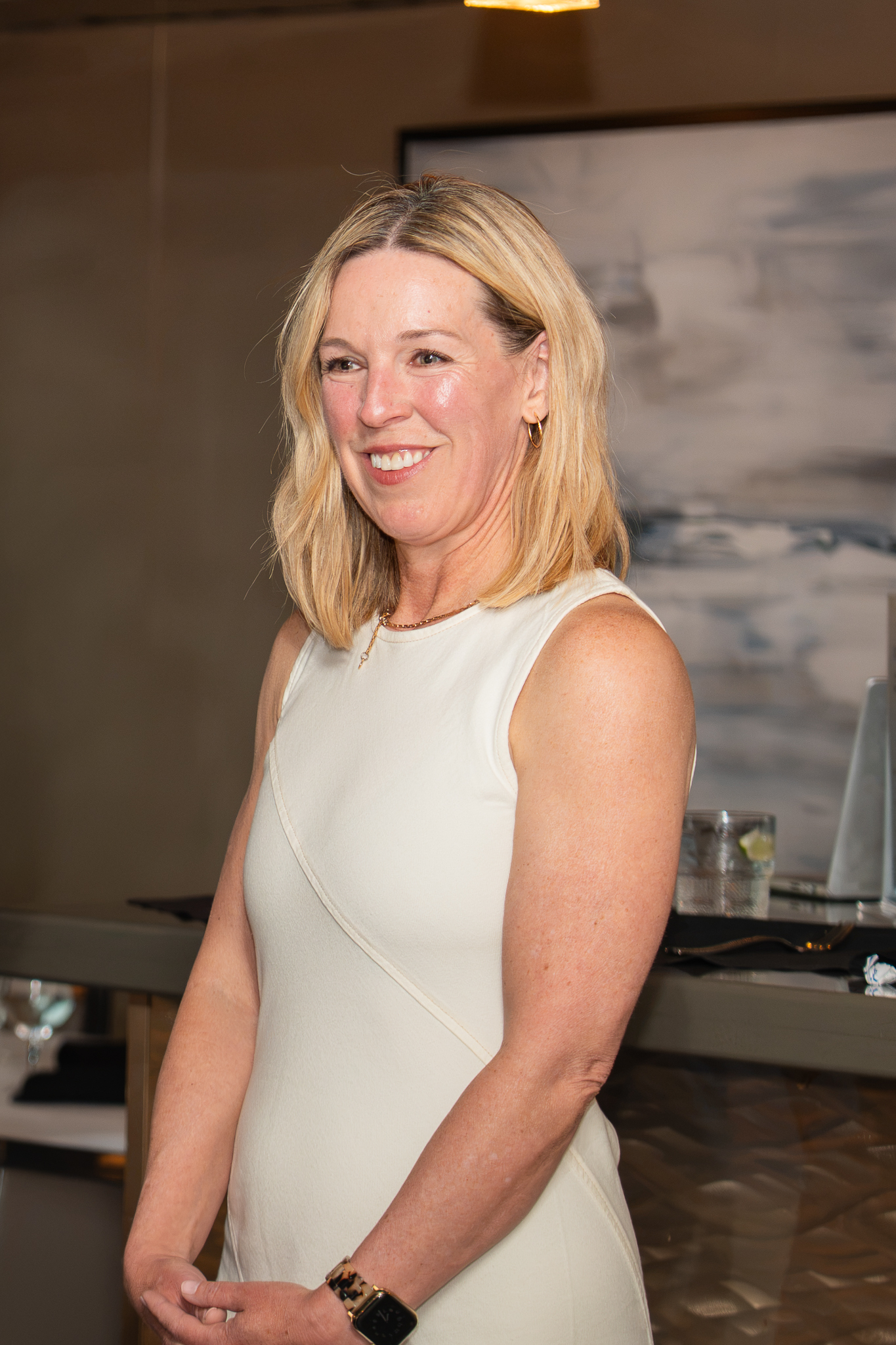
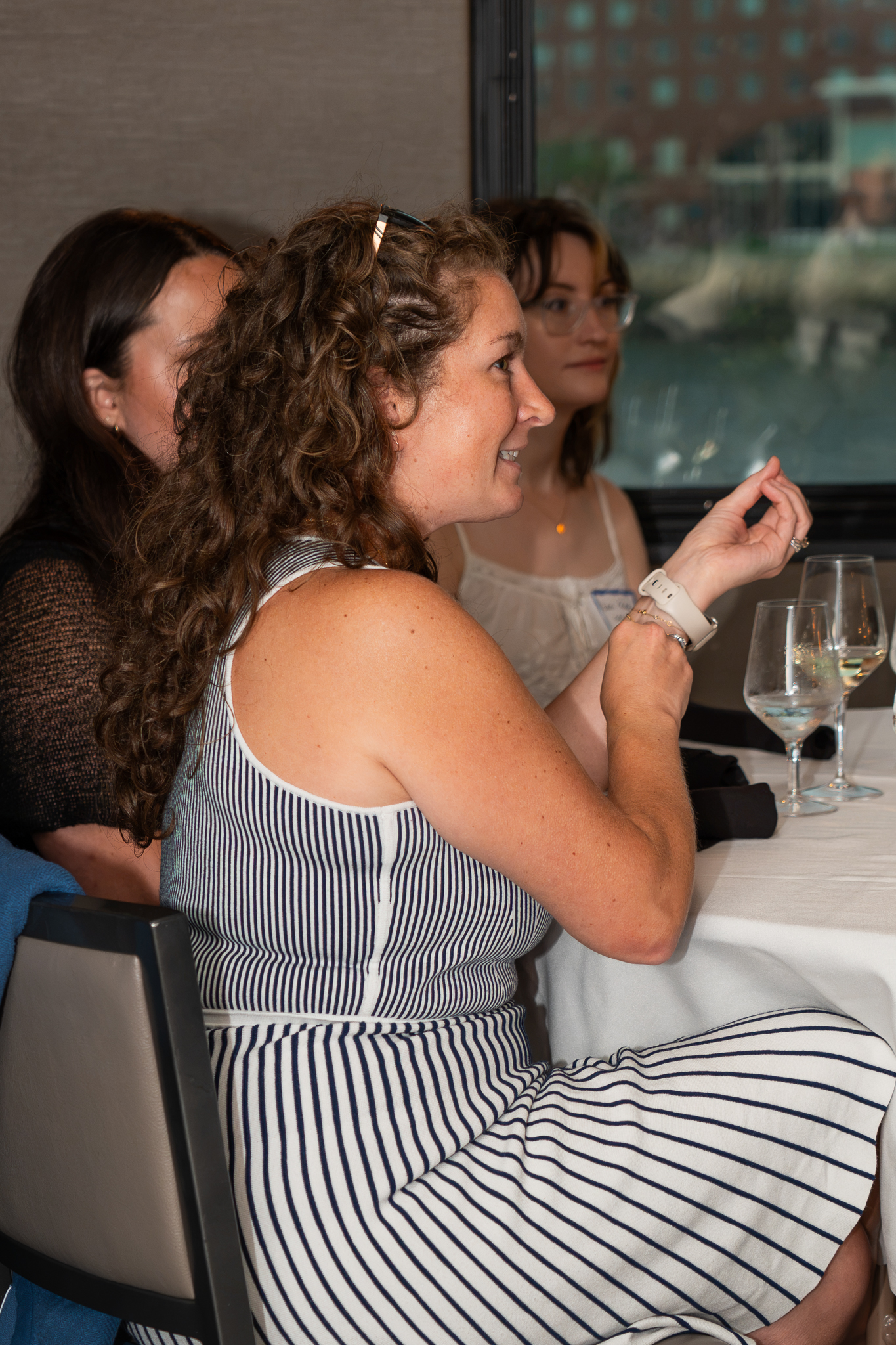
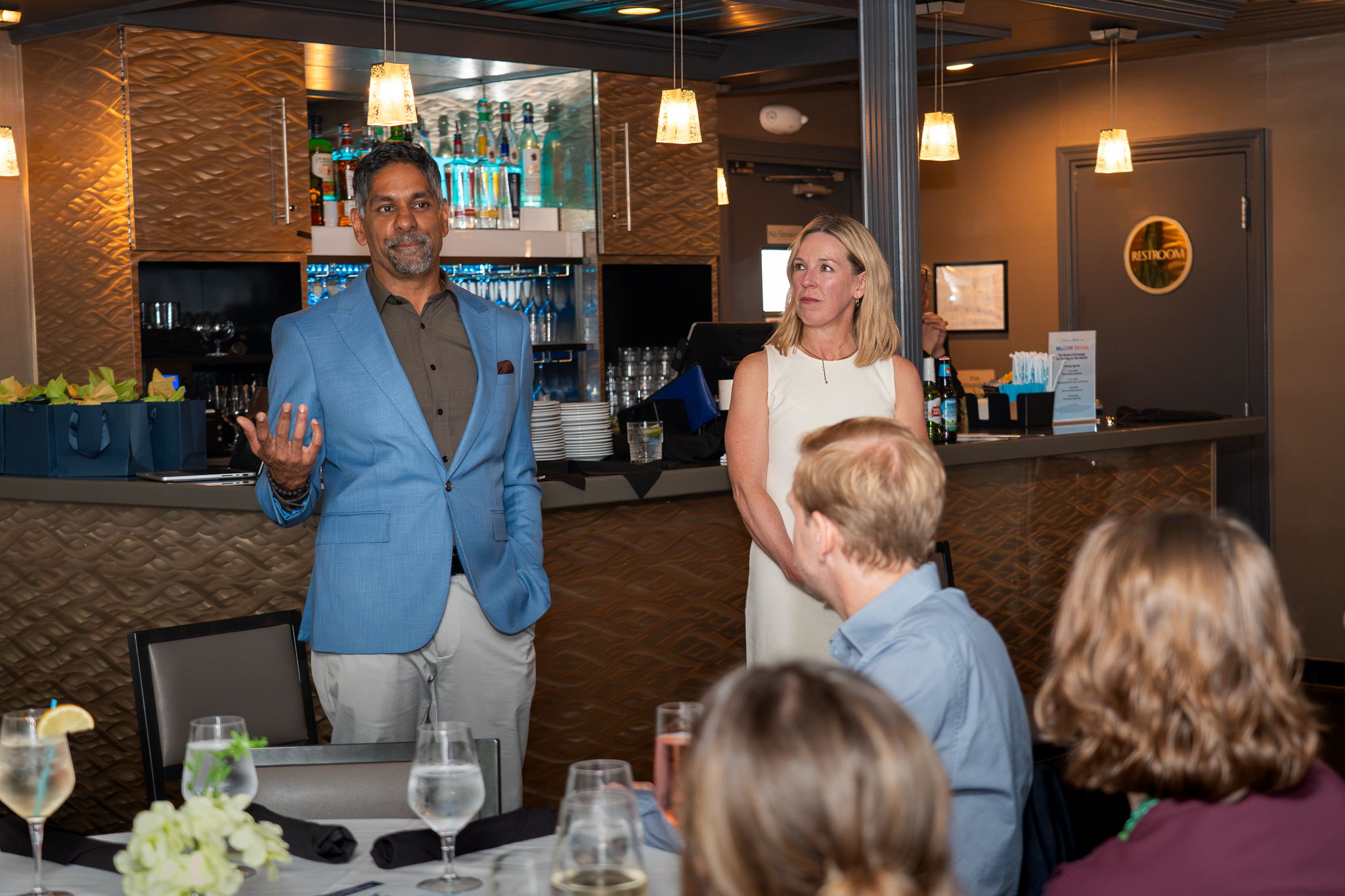
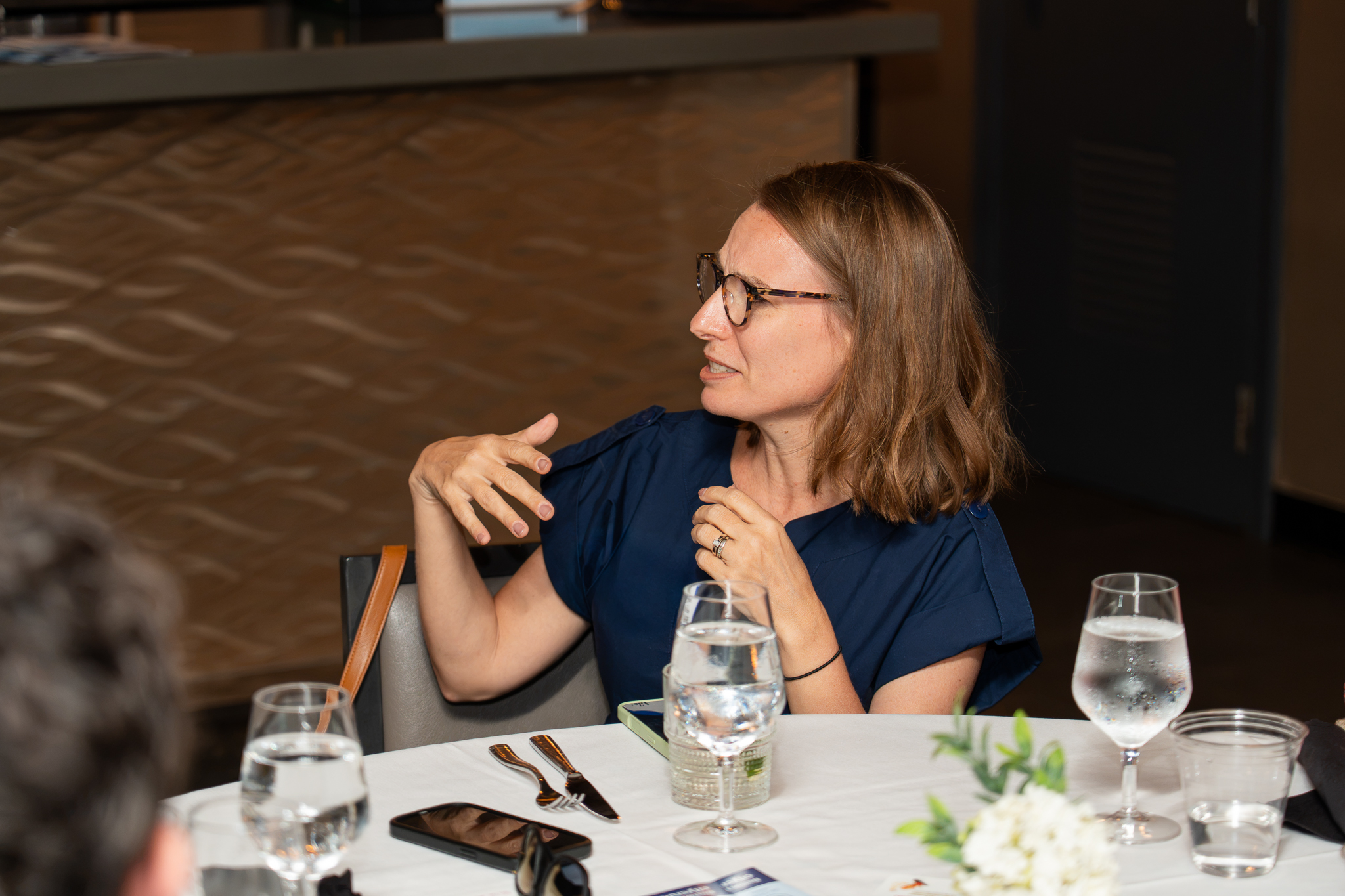
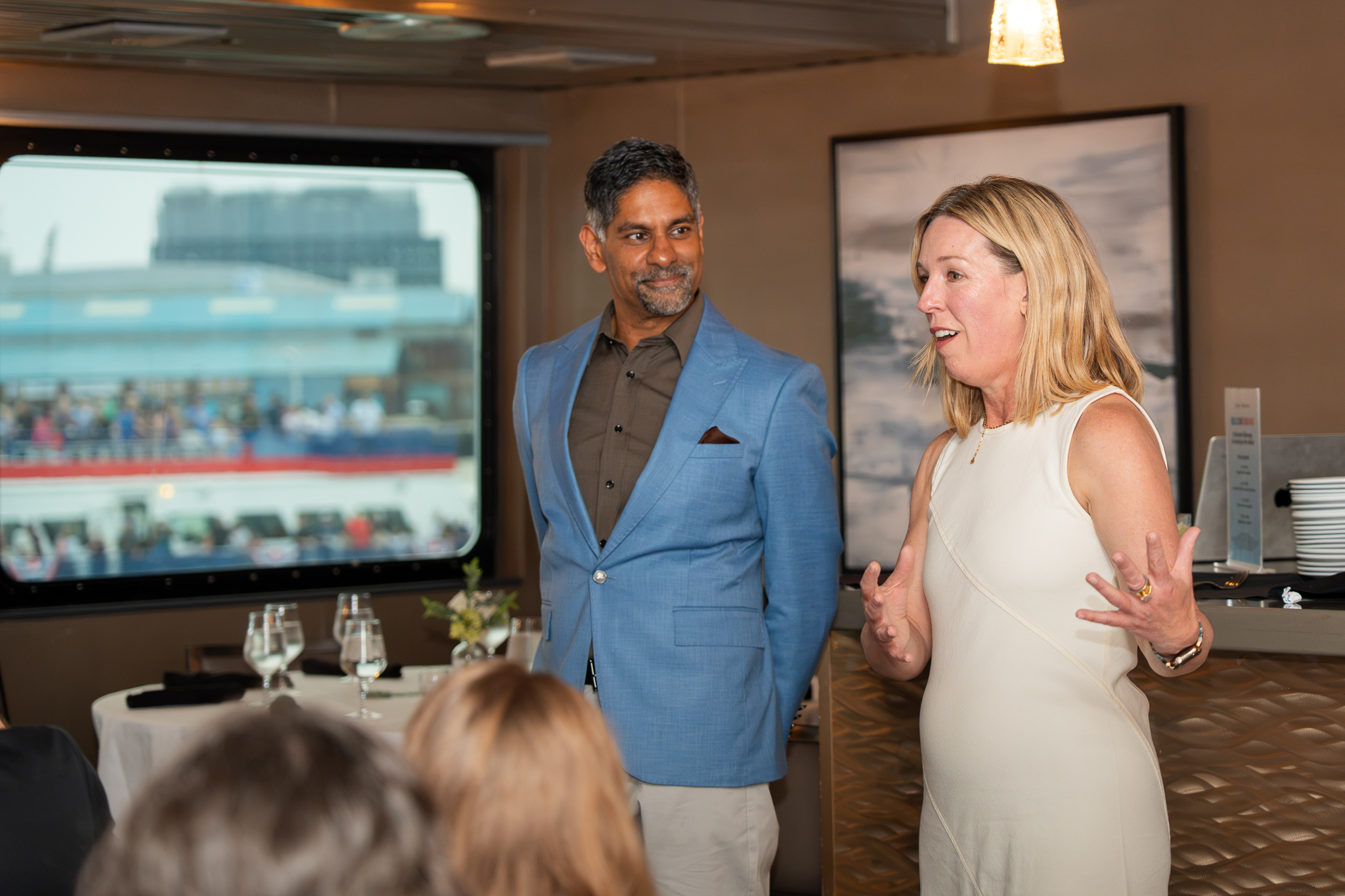
Photos taken by Local Wisdom Marketing Manager, Bree Bartos.